Unitherm Insulation Systems

  • Home
  • Shop
  • Insulation Solutions
    • Plastics Equipment Insulation
    • Pipe and Valve Insulation
    • Passive Fire Protection
    • Freeze Protection and Material Handling
    • Exhaust Insulation
    • Marine Exhaust Insulation
    • Rigid Board Insulation
    • OEM
  • Applications
    • Aerospace
    • Data Centers
    • Defense
    • Exhaust Systems
    • Gas Compressors
    • Locomotive
    • Marine
    • Oil and Gas
    • On Highway
    • Power Generation
    • Reciprocating Engines
    • Turbines
  • Services and Capabilities
    • Custom Insulation Blankets, Jackets, and Covers
    • 3D AutoCAD
    • High Temperature Raw Goods
    • Custom Embroidery
    • WaterJet/CNC Machining
    • Private Labeling
  • Reseller Program
    • Reseller Locator
  • Blog
  • About
    • Contact
    • News
    • Customer Service
    • Order Now
  • Media
    • Documents
    • MSDS Sheets
    • Product Literature
    • Product Gallery
    • Video
    • Energy Study Library
    • New Customer Form
  • NPE 2027

August 4, 2026 by UniAdmin

Removable Pipe and Valve Insulation: Solving the Access Problem in Industrial Facilities

Every industrial facility has piping systems that carry hot fluids, steam, or gases. And most of those systems have lengths of pipe, valves, and flanges that are uninsulated — not because facility managers don’t understand the energy loss, but because traditional insulation creates a maintenance problem.

When you need to access a valve for inspection or repair, you have to remove whatever insulation is covering it. With hard insulation, that means cutting and disposing of material. The replacement costs time and money. Do it a few times and the insulation often just stays off.

Pipe and Component Insulation

The Department of Energy’s identifies poor insulation on piping and ductwork as a recognized source of energy loss. Surfaces such as piping and ductwork that have poor or no insulation are sources of energy loss that are “often overlooked” in process heating assessments.

This is common precisely because the losses are diffuse and continuous rather than dramatic. A valve loses heat quietly, hour after hour, day after day. The impact is real but easy to ignore.

What Removable Insulation Covers Actually Do

Removable insulation covers for valves, flanges, and pipe components are engineered to be installed and removed without tools or specialized labor. They’re typically made from high-temperature-rated materials, stitched or sealed to fit specific component configurations, and secured with straps, lacing, or fasteners that allow for quick removal.

The key advantage over traditional insulation is that the covers are designed from the start to be removed and reinstalled. The insulation material doesn’t get damaged in the process, so the cover remains effective after repeated use.

UniTherm’s IsoCovers are removable insulation covers for valves and flanges. They’re available in standard sizes through the UniTherm shop and can be custom-manufactured for non-standard component configurations. Visit unitherm.com/pipe-and-components for the full range, or contact UniTherm to discuss a custom solution for your system.

Industries That Use Them

Removable pipe and valve insulation is used in oil and gas, power generation, chemical processing, food processing, marine applications, and anywhere else that high-temperature piping systems require regular maintenance access. The ROI case is generally straightforward: the energy cost of an uninsulated valve running continuously at operating temperature is often large enough to recover the cost of the cover within a single heating season.

For facilities in cold climates, there’s an additional benefit: reducing surface heat loss can help maintain consistent process temperatures in areas where ambient conditions vary seasonally.

For our standard removable insulation solutions, visit shop.unitherm.com.

To request a quote for a custom insulation solutions click here.

Filed Under: Energy Efficiency, Manufacturing, Uncategorized Tagged With: efficiency, energy, energy conservation, energy efficiency, energy management, environment, manufacturing, plastics, thermal insulation

July 28, 2026 by UniAdmin

Insulating Plastics Processing Equipment: How to Really Cut Your Facility’s Costs.

Plastics processing equipment, injection molding machines, extruders, blow molding equipment — operate at sustained high temperatures. The heating zones along a barrel or nozzle are running continuously, and a significant portion of that heat radiates outward into the surrounding work area rather than staying in the process where it belongs.

This is a straightforward heat containment problem of the kind identified in the DOE’s process heating sourcebook, and it has a straightforward solution: insulating plastic processing equipment keeps the heat in the barrel and out of the shop floor.

What’s Actually Happening Without Insulation

An uninsulated barrel on a plastics processing machine loses heat through radiation and convection from its surface. The control system compensates by running the heaters longer or more frequently to maintain the set temperature. More heater activity means more energy consumed, more wear on heating elements, and a warmer ambient environment around the machine.

The DOE sourcebook notes that improving insulation on process heating equipment reduces the amount of energy needed to perform a given heating task, reduces thermal stress on system components, and can improve consistency and product quality. All three of those benefits apply to plastics processing equipment.

The Case for Removable Insulation on Barrels and Nozzles

Permanent insulation on a plastics processing barrel is impractical. Operators need access to heating zones for inspection, thermocouple replacement, and maintenance. Fixed insulation that has to be cut away and replaced every time someone needs to check a heater band is not a workable solution.

Removable insulation jackets address this directly. They’re designed to fit specific equipment configurations, attach securely during production, and come off quickly when access is needed. The insulation itself is protected from damage during removal, so it can be reinstalled and reused.

UniTherm’s UniVest® insulation jackets are designed specifically for plastics processing equipment — barrels, nozzles, dies, and related components. They’re engineered for the temperature ranges and access requirements typical of injection molding, extrusion, and blow molding operations. Available through the UniTherm shop at shop.unitherm.com.

What to Expect in Terms of Results

While results vary by equipment type, temperature setpoint, and ambient conditions, published energy studies have documented meaningful reductions in heater band energy consumption when insulation jackets are added to plastics processing equipment. In addition to direct energy savings, facilities often report reduced ambient heat in work areas around the machines — a worker comfort and safety benefit that the DOE sourcebook also identifies as a legitimate benefit of insulation improvements.

UniTherm maintains an Energy Study Library on its website with documented results from insulation applications. Visit unitherm.com/media/energy-study-library for case data.

For our standard removable insulation solutions, visit shop.unitherm.com.

To request a quote for a custom insulation solutions click here.

Source: U.S. DOE, Improving Process Heating System Performance: A Sourcebook for Industry (Third Edition), 2015.

Filed Under: Energy Efficiency, Manufacturing, Plastics Industry, Uncategorized Tagged With: efficiency, energy, energy conservation, energy efficiency, energy management, environment, lean manufacturing, manufacturing, plastics, thermal insulation

June 1, 2026 by UniAdmin

The ROI of Removable Insulation: How Plastics Manufacturers Cut Energy Costs

Walk the floor of almost any injection molding or extrusion facility and you’ll find the same scene: bare barrel heater bands radiating heat into the air, cooling systems working overtime to compensate, and utility bills that never seem to come down.

It’s inefficiency hiding in plain sight, and it’s surprisingly simple to fix.


Removable insulation jackets for plastics equipment are not a new idea, but their return on investment is often dramatically underestimated. At UniTherm International, we’ve conducted energy studies across hundreds of facilities. The results are consistent: properly insulated barrel zones and hot runner systems typically reduce energy consumption by 35–50% in those areas, with payback periods measured in months, not years.

Where the Heat (and the Money) Is Going:

An exposed heater band on an injection molding barrel can radiate significant energy losses. Multiply that across a 10-machine shop running two shifts, and you’re looking at a meaningful annual waste. Beyond direct energy cost, there are secondary effects:

  • Ambient temperature rise forces HVAC systems to work harder, especially in summer.
  • Uneven thermal conditions stress components and contribute to faster wear.
  • Workers in close proximity to hot equipment face health and safety concerns.

Why Removable? Why Not Just Permanent Insulation?

This is the key question, and it’s where UniVest® insulation jackets shine. Unlike rigid or permanent insulation, removable jackets come off quickly for maintenance, inspection, or changeover and reattach in minutes. No cutting, no mess, no downtime penalty.

UniVest® jackets, constructed from high-temperature-rated materials, withstand heat, oils, and mechanical abuse typical on plastics shop floors. Custom-fit to your equipment using 3D AutoCAD modeling, they cover barrels, nozzles, hot runners, and other heated zones without interfering with normal operation.

What Does an Energy Study Show?

UniTherm offers complimentary energy studies that calculate the projected savings specific to your equipment, run schedule, and utility rates. Inputs include current surface temperatures, hours of operation, and local kWh cost. The output is a straightforward payback analysis — typically showing full cost recovery within 6 to 18 months.

One Texas-based molder with 22 machines reduced monthly energy spend by over $3,000 after insulating barrel zones on their larger presses. The jackets paid for themselves in under a year. More importantly, their process temperatures stabilized, reducing scrap rates as a secondary benefit.

Getting Started

The fastest way to assess the opportunity at your facility is to request a free sample jacket to test on your highest-heat machine. UniTherm International’s team will work with you to identify which zones offer the greatest return and quote custom-fit jackets from there.

Margins are tight and energy costs are one of the few controllable line items. Removable insulation is one of the highest-ROI investments available that doesn’t require a capital budget approval to get started.

Click Here to order your free UniVest® Sample today, or connect with our Sales Team to discuss a custom sample request.

Filed Under: Energy Efficiency, Plastics Industry, Safety Tagged With: efficiency, energy conservation, energy efficiency, energy management, manufacturing, plastics, thermal insulation

April 7, 2015 by UniAdmin

Dangers of Heat Illness

HEAT ILLNESS CAN BE DEADLY. When employees are exposed to hot temperatures, maintaining a safe work environment can be more challenging than you think. As summertime temperatures continue to rise, it becomes increasingly important for employers to focus on providing workplace conditions that are safe from the excessive heat.

OSHA Heat Illness Fatalities

Heat Fatalities 2008-2014

According to the Occupational Safety and Health Association (OSHA), thousands of workers become sick and even die as a result of exposure to heat each year. In the United States, an average of 400 deaths per year are directly related to heat, and an estimated 1,800 die from illnesses made worse by heat.

Many industries face challenges when it comes to providing a cool working environment, particularly in heat-susceptible areas such as industrial plants, warehouses, and manufacturing facilities. When surface temperatures on pipe and equipment routinely exceed 140° F (60° C), measures should be taken to improve the working environment. Without adequate cooling or precautions, workers are put in danger while equipment and manufactured products are at an increased risk of failure, which can impact worker safety and productivity, and certainly, a company’s bottom-line.

So how can you protect your employees from heat exposure while also ensuring that the work is accomplished on time?

According to OSHA, “The best way to prevent heat-related illness is to make the work environment cooler”. However, the dilemma now becomes how to efficiently and economically cool large, open areas where high ambient outdoor temperatures and heat-generating machinery are factors.

OSHA Touch Safe, Ambient Air temperature

The radiating heat of a running barrel affects the ambient temperature.

Fortunately, the use of industrial insulation on process equipment and piping not only saves money and energy, but also reduces the potential for heat- related illnesses. As insulation is added to systems, the surface temperature of these systems is dramatically reduced. This provides a cooler work environment that yields higher productivity, as workers do not require as many breaks and are less concerned with the potential for burns from hot surfaces. Furthermore, insulation helps reduce the amount of work your machine has to do by decreasing the amount of energy used without sacrificing quality or performance. Learn more about the energy saving benefits of insulation.

The use of UniTherm’s UniVest® and ISOCOVERS Insulation Systems product lines provide easy and efficient ways to save energy and money while creating a cooler and safer work environment. Additionally, these product lines can be purchased online because they now are available in standard “off-the-shelf” sizes, which drastically reduces the time and costs often associated with custom insulation jobs. For all of our heat prevention products, view our online shopping cart here.

UNI-ISO

For additional tips on how to keep your facility cooler and your workforce happy and motivated, click here for more information about preventing heat-related illness.

Share your stories about dangers of heat illness and let us know how you are preparing for the coming summer months on our social media pages:
Facebook
Twitter
Linkedin

Filed Under: Energy Efficiency, Manufacturing, Plastics Industry, Safety Tagged With: energy efficiency, Heat Illness, ISOCOVERS Insulation Systems, lean manufacturing, Personnel Protection, piping, plastics, plastics industry, protect, safety, save energy, thermal insulation, UniVest® Insulation Systems

January 21, 2015 by UniAdmin

4 Common Misconceptions About Industrial Insulation

We come across many people who have the wrong idea about industrial insulation and think what we offer is not right for them. We ask them a few questions, and usually they are left wondering why they haven’t insulated their equipment sooner. We throw them a UniVest and they rush out the door to install it (cause it’s really that simple).

So we don’t have to go through the same spiel every time, we’ve compiled the most common misconceptions people have when it comes to industrial insulation.

1. Insulation is for my home, not my machines 

This is the most common one we come across and it’s pretty obvious why. The first thing people think about when you say insulation is their home and what’s inside their walls. That’s a perfect analogy because UniVests work the same way. Properly insulating your home saves you hundreds of dollars a year on home heating and cooling costs. It protects outside temperatures from affecting the temperatures you want inside. The easier it is for your home to maintain its temperature, the less you spend at the end of the month. UniVests are no different, except we deal with higher inside temperatures. Take a second and think, if you save hundreds by properly insulating your home, imagine how much could be saved when insulating your machine. We’ll give you a hint…its much greater!UniVest-3-Strap-On-Off-W-Background-Color

2. No Budget for Insulation

We all have budgets. Yeah, and we know they can be small and hard to deal with. Trust us, Windows 98 is getting really old at the office. Making new purchases on things that you are already operating without can seem like a luxury purchase. Little known fact is that with proper insulation, a company can see ROI (Return on Investment) in under 12 months. In the right conditions, a single set of UniVests or ISOCOVERS can last 5+ years after installed. That’s 5+ years of return. In 12 months or less, most companies make back the purchase price of a UniVest from energy savings alone.

3. My machines are working fine now without insulation

We’re sure they do, but wouldn’t you like for them to work better? Insulation minimizes the downtime of the machines they are on and relieves stresses from a hard working machine. This even increases the lifespan of the equipment. Wouldn’t we all like to work a little easier? Your machines would too.

4. Who Needs Protection AnywayIMG_8583

The biggest thing that people don’t realize is that insulation also improves workplace safety. As seen in a few of our videos on Youtube, a heated barrel with a UniVest on it can be touched and worked around without any special protective gear. More Safety = Less downtime and less liability. Insulation can also decrease surrounding ambient air temperature. Decreasing work fatigue due to high temperature and more comfortable work areas. 

Here’s typically the point where some people are kicking themselves for not already having insulation installed. If you didn’t make it this far, we completely understand. Our insulation systems are much more than the sum of their parts and offer a lot more usability than most people realize. If you’ve finally come to the conclusion that insulation could benefit you, take a look around our online shopping cart at www.shop.unitherm.com. For some help finding the product, measuring, or just want some more insulation entertainment like this blog, visit our youtube page: www.Youtube.com/UniThermInsulations

Filed Under: Energy Efficiency, Freeze Protection, From the Marketing Team, Manufacturing, Plastics Industry, Safety, Uncategorized Tagged With: cooling, education, energy, energy conservation, energy costs, energy efficiency, energy efficiency projects, energy management, environment, heating, industrial applications, industrial insulation, innovation, insulation, lean manufacturing, manufacturing, manufacturing industry, plastics, safety, thermal insulation, UniTherm, unitherm international

September 24, 2014 by UniAdmin

New Shop Experience

We’ve just released our latest version of our new shop and we are excited for our customers to start using it. Shop.Unitherm.com is a little different and is much easier to use than our old shop. What we wanted most from our new store is ease of use for the customer and usability, and we think we’ve achieved that. On the store front, you can see our running specials and featured products, along with all of our product categories, and helpful links.

Ease of Use

The main goal of our new shop was to make the shopping experience easy and accessible to the customer. On our old shop, we found many customers would get lost or not know how to find what they are looking for. Now we have multiple avenues to search for what you need. Every page can be found with a couple of simple clicks. Whether you have a question or need to check out, you can get there from every page.

New Shop FeaturesNew shop store front

Crucial to our design was adding a few new features to aid the customer. Some are more subtle than others, but here are a few of my favorite.

What we consider to be best new feature of the site is how easily you can find the right product for you. Each product is set into specific categories based on your needs, applications, or industry. Within each category you can set custom search perimeters to find the right size product you need. By selecting:

  1. Diameter or Circumference
  2. Width

You can have the exact fitting UniVest ordered in seconds. This makes our selection process even easier.

New Shop Compare Page
You can now also compare multiple products to be certain which is perfect for you. Selecting up to 5 items, and clicking the “compare” button will bring up a screen that will list all of the products benefits and features side-by-side for your viewing. From here you can add to cart or click an individual item for a closer look. 

My Account adds the ability to return to your personal preferences and shopping history. From the My Account tab you can track your orders, change your preferences, and manage all of your information. This gives our customer the benefit of a personalized shopping experience.

My personal favorite feature is the new Wish List. The Wish List is your own personal shopping cart that you can come back to at anytime. Unsure about a product, not ready to check out, or are just making a dream Christmas List, the Wish List makes it simple to keep track of your items. Inside the Wish List page you can view products, compare, and add to cart normally. This list is saved to your customer account so it will be there next time you choose to visit. 

Checking Out

Lastly (and probably most important), we felt that our check out process was a little overcomplicated and some customers had issues submitting their order. We condensed the order process down to 3 easy steps and can be completed in the matter of seconds. The checkout process becomes even easier and faster when My Account is used with the new checkout process. 

Let’s Go Shopping

Enough talking about the new shop, take it for a spin, and see all our new changes for yourself. Let us know what you think and what your favorite new feature is on our Facebook & Twitter pages. Stay tuned for more exciting content soon.  

New Shop Page: Shop.Unitherm.com

Facebook: facebook.com/UniTherm

Twitter: twitter.com/UniTherm

Filed Under: From the Marketing Team, UniTherm News Tagged With: cart, features, heat process, industrial insulation, manufacturing, new shop, online shopping, plastics, UniTherm, update, usability

March 17, 2014 by UniAdmin

Check Out Our New Website!!!

UniTherm Insulation Systems, manufacturer of insulation blankets for high temperature applications, is excited to announce the launch of its redesigned website this week at: www.unitherm.com.

The design, e-commerce software platform and infrastructure of UniTherm.com have been completely reengineered. The goal is to provide a more personalized and simplified user experience on the website and e-commerce site. The revamped site also boasts ad units and integrations that are larger, more effective, and newly optimized for mobile users. Visitors of the site can now enjoy a seamless experience across all screens — desktop, mobile and tablet.

With the launch of the e-commerce website, the company’s President, Dan Sherrill, explains that, “In today’s market the launch of a new website may not be seen as groundbreaking, but within our niche, we recognized a need for and developed an e-commerce site that provides clear-cut, detailed information (such as delivery, product care, common FAQ’s, technical specifications etc.) on every product or part we sell.”

The new website includes a clean design, with brand new content that enables customers to easily search for new products and services. It is fully integrated with the company’s social media profiles on Facebook, Twitter, YouTube and its blog, and has an integral customer relationship management system to ensure that UniTherm’s sales and after-service professionals are fully informed of its customers’ needs.

Furthermore, the new web site showcases UniTherm’s pioneering efforts in offering a standardized product line –including product specifications for a broad range of available sizes and levels of performance– to make it easy for customers to order our products. This product line, along with the instant quoting, has eliminated the need for each project to receive a custom estimate and allows all orders to be instantly placed and processed.

“I couldn’t be more pleased with our new website. It’s well-designed, streamlined, and easy to use – just like our products,” according to Sherrill. “Our goal was to create a website that meets the needs of both our customers, who need easy access to our information, and the UniTherm staff, who need to be able to update the content easily to keep our customers informed. What we ended up with is a web site that looks great, is loaded with features, and has the ability to grow.”

Filed Under: From the Marketing Team, UniTherm News Tagged With: manufacturing, plastics, plastics industry, UniTherm

June 4, 2013 by Kendal White

Plastics & The Human Body (Infographic)

plastics-in-medical-field


  • Plastic Cast: heat-moldable plastic is shaped around a patient’s limb using rivets.
  • Plastic Foam: polyurethane foam could stabilize trauma patients.  Foam expands inside the body to prevent blood loss, and conform to the shape of injured tissue.
  • 3-D Body Part Printing: 3-D printed implants are being created from living cells and polyester plastic; example is an ear.
  • 3-D Printed Plastic Splint: a 3-D printed tracheal splint was implanted into a baby made from polycaprolactone, a medical plastic.
  • Artificial Cornea: these silicone corneas treat eye injuries or chronic inflammations.  They can restore vision and are similar to a natural cornea.
  • Hearing Aids: a new implant directly stimulates the auditory nerve: microphone, microcomputer, stimulator, and an electrode carrier.
  • Spinal Implants: a cervical interbody fusion system made of machined polyetheretherketone (PEEK) rods has been approved by the U.S. FDA.
  • Absorbable Heart Stent: blood flow to the heart can be restored with a plastic heart stent, which can later dissolve into the body.
  • Vaccination patches: a skin patch containing plastic “micro needles” could possibly deliver vaccinations painlessly, replacing injections.
  • Plastic Heart: plastic tubes mimic heart valves to let blood in and out of plastic ventricles in an artificial heart.
  • Artificial Blood Vessels: these are made by coating a biodegradable, plastic mesh tube with human or animal muscle cells.
  • Plastic Knee Replacements: a new ceramic and plastic knee implant is to last 20 to 30 years longer than traditional knee replacements.
  • Hip Replacements: metal-on-metal hip replacements are declining due to new technologies and materials: ceramic polyethylene (a medial-grade plastic).
  • Self-healing Prosthetics: this plastic skin recognizes injury and is self healing.  It has the sensitivity and flexibility of human skin and can restore its electrical and mechanical properties.
  • Prosthesis: plastic orthopedic devices align, correct, and support deformities, and can improve the function of movable body parts.
  • Plastics in Medical Implants: ethylene vinyl acetate, Proniva self-reinforced polyphenylene (SRP), Veriva polyphenylsulfone (PPSU), Zeniva (PEEK)
  • Bacteria-Resistant Plastics: these nonstick plastics can help ward off disease and contamination.
  • Polycarbonate Medical Devices: transparent medical tools are being manufactured from polycarbonate.

Filed Under: From the Marketing Team Tagged With: human body, medical, medical devices, plastics, plastics industry

April 29, 2013 by Kendal White

[Infographic] Reasons To Go Green

recycling-graphic

Top 10 Cleanest Countries

  1. Iceland
  2. Switzerland
  3. Costa Rica
  4. Sweden
  5. Norway
  6. Mauritius
  7. France
  8. Austria
  9. Cuba
  10. Columbia

 Types ofMost Recyclable Plastics 

  • PET or PETE (polyethylene terephthalate)
  • HDPE (high-density polyethylene)
  • PVC (polyvinyl chloride)
  • LDPE (low-density polyethylene)
  • PP (polypropylene)
  • PS (polystyrene)
  • Others


How to Recycle Plastic

  • Curbside Collection: some communities offer curbside collection of plastics for recycling
  • Bottle Banks: you can exchange plastic bottles for money in some states
  • Recycling Centers: take plastic items to be recycled


Recycling reduces the amount of plastic that ends up in landfills, decreases the amount of natural resources used to make plastic, and saves energy.


4 Reasons to Go Green

  • Endangered Animals: as many as 247 animals are on the critically endangered list as of 2008.
  • Deforestation: 8% drop in the amount of earth covered by rain forests.  Many experts suggest the rain forest will be entirely eliminated by 2050.
  • Global Warming: an increase in carbon dioxide that has led to global warming.
  • Growing Landfills: filled with trash that could take millions of years to decompose


Top 10 Polluting Countries 

  1. China
  2. United States
  3. Russia
  4. India 
  5. Japan
  6. Germany
  7. Canada 
  8. United Kingdom
  9. South Korea
  10. Iran


Filed Under: Energy Efficiency, Uncategorized Tagged With: 10 Cleanest Countries, 10 Most Polluting Countries, Deforestation, Endangered Animals, environment, green, plastics, Recycle

May 11, 2012 by Kendal White

Manufacturing Matters: 5/11 Weekly Wrap Up

The New York Times reports that manufacturing is “one of the few bright spot of the recovery, restoring 489,000 jobs since the beginning of 2010.” The article also describes geographic distinctions in growth, with half of the most manufacturing-specialized metropolitans now located in the Midwest.

Plastics News reports that in California a controversial pro-plastics lesson has been removed from a new statewide curriculum on the environment. After the EPA looked over the proposed curriculum, the section titled “Advantages of Plastic Shopping Bags” was replaced with recycling statistics in an 11th grade textbook.

image from flickr


ICIS
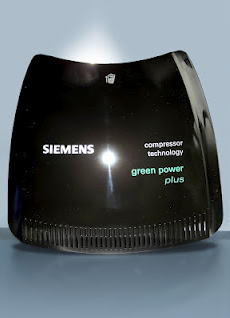
News announces that researchers at technology company Siemens have developed an alternative to ABS plastic. The new material—made with 70% renewable content—is the result of a three-year project funded by the German Research Ministry and was successfully used to make a vacuum cleaner cover.

image from icis.com


GreenBiz
examines the Sustainability Leadership List, which recognizes environmentally-conscious companies each year. But because some criticize the results, they also discuss plans for the Global Initiative for Sustainability Ratings that would develop a standardized method of measuring and ranking sustainability performance.

Plastics Today recognizes Dignity Health, the founding sponsor of the Healthier Hospitals Initiative, as one of the first hospital groups in the country to start using pigment-free patient plastics. This California-based healthcare organization is a leader in sustainability efforts to reduce hospitals’ impact on the environment by adopting innovative alternatives.


Filed Under: Manufacturing, Plastics Industry Tagged With: energy efficiency, manufacturing, plastics, plastics industry

Next Page »
  • Español

Quick Links

MSDS
Product Brochures
Energy Study Library
Product Videos

Follow UniTherm

Facebook
Twitter
Blog
YouTube
Instagram
Pinterest

UniTherm Insulation Systems

711 Jones St.
Lewisville, TX 75057
Toll Free: 800.657.9542
Phone: 972.436.1401
Fax: 972.436.0112
info@unitherm.com

Copyright © 2026 · Executive Pro Theme on Genesis Framework · WordPress · Log in